



APIE Camp 10 VNNIC 2026
13 Agustus 2026 • ~7 min read
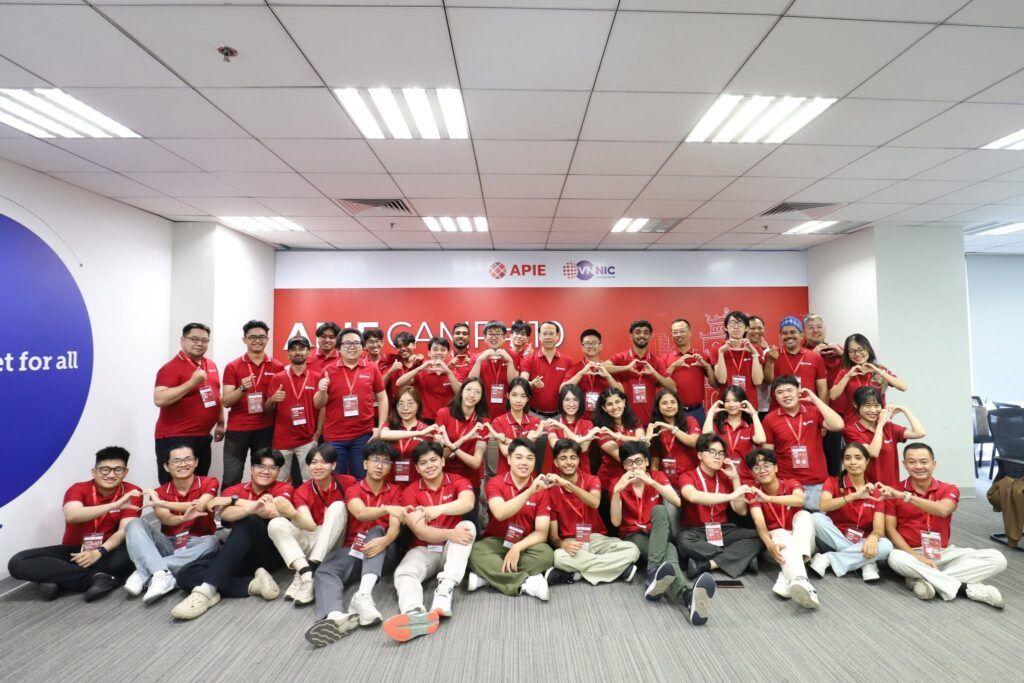
From August 3 to 7, 2026, Muhammad Hafizh Faiqunnabil and Alexander William Sinjaya, students from the Faculty of Computer Science, Universitas Brawijaya, had the opportunity to participate in APIE Camp #10, held at the Vietnam Internet Network Information Center (VNNIC) in Vietnam. The five-day program brought together students from various countries and backgrounds to explore Internet engineering through a combination of lectures, hands-on workshops, and group-based activities.
Throughout the camp, participants explored a wide range of topics related to Internet infrastructure, including network deployment, virtualization, network security, DNS, IoT, and cloud computing. The program was designed to provide practical experience in designing and deploying network infrastructure, configuring virtualized services, implementing security measures, and integrating IoT systems with cloud platforms.
Beyond the technical sessions, APIE Camp also provided an opportunity to work in international teams. Participants collaborated with students from different countries and backgrounds while learning from instructors and professionals involved in the program. For us, this combination of hands-on technical learning and international collaboration made APIE Camp #10 a valuable experience both academically and personally.
Day 1: Network Deployment
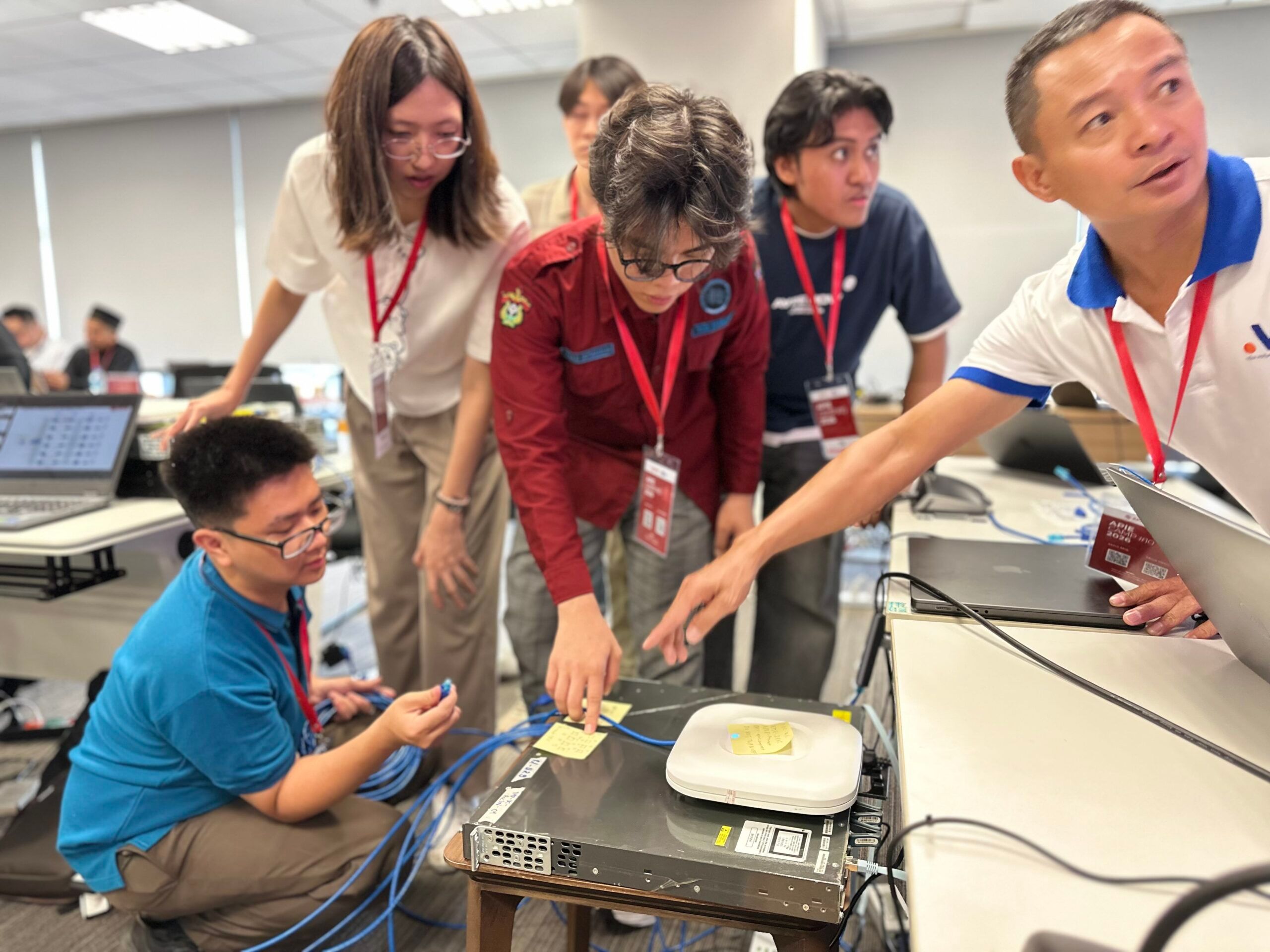
The first day of APIE Camp began with Network Deployment, introducing participants to the fundamentals of Internet engineering and practical network infrastructure. The session covered the process of designing a network topology, connecting network devices, and configuring the network to establish communication between devices.
Through the hands-on session, participants worked directly with network equipment to implement the concepts they had learned. The activities included network cabling, IP addressing, VLAN configuration, WLAN setup, NAT, and OSPF routing. Rather than working solely with network simulations, the participants were given the opportunity to configure actual networking devices and experience how different components work together as part of a complete network infrastructure.
The session provided a practical perspective on network engineering, particularly in understanding how network design decisions affect connectivity and how different technologies can be combined to build a functional network. It also established the foundation for the following sessions, where the network infrastructure would be extended through virtualization, security, DNS, and cloud-based technologies.
Day 2: Network Virtualization and Network Security
The second day focused on Network Virtualization and Network Security, extending the infrastructure concepts introduced on the first day. Participants were introduced to virtualization concepts and hypervisor technology, followed by hands-on activities involving virtual machines and virtualized network infrastructure.
Using Proxmox as the hypervisor environment, participants practiced deploying and managing virtual machines and configuring Linux systems. This session gave participants an opportunity to understand how physical infrastructure can be extended into virtual environments and how virtualized resources can be used to support network services.
The session also introduced practical approaches to network security. Participants explored router access control, network scanning, server hardening, system updates, and other security best practices for protecting network infrastructure and publicly exposed services. By combining virtualization with security practices, the session highlighted the importance of not only building functional infrastructure, but also maintaining its security and reliability.
Day 3: DNS
The third day focused on the Domain Name System (DNS), one of the fundamental components of the Internet. Participants explored how DNS works, how DNS servers manage domain information, and how DNS integrates with network infrastructure.
Through hands-on activities, participants configured DNS servers using BIND, including setting up DNS zones and records and testing DNS resolution. The session also introduced troubleshooting techniques for identifying and resolving common DNS issues.
By working directly with DNS services, participants gained a more practical understanding of how domain names are translated into network addresses and how DNS supports the accessibility and reliability of Internet services. The experience also connected the DNS concepts learned during the session with the network infrastructure developed throughout the previous days.
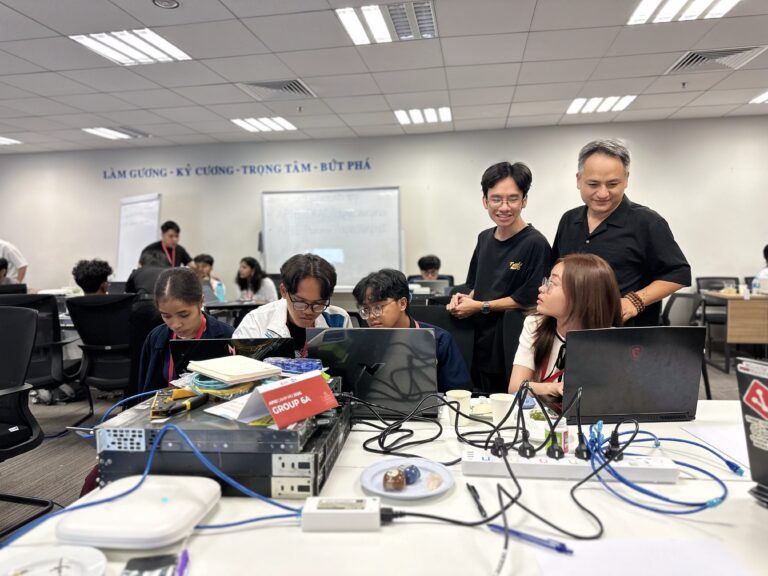
Day 4: IoT and Cloud Computing
The fourth day introduced participants to the integration of Internet of Things (IoT) and cloud computing. The session began with an introduction to IoT architecture and its components, followed by hands-on activities involving microcontrollers and sensors. Participants worked with ESP32-based devices and various sensors to collect and process data, providing a practical understanding of how IoT devices interact with their surrounding environment.
The session then moved into cloud computing, where participants explored how cloud platforms can support IoT applications. Using AWS, participants worked with several cloud services, including Amazon EC2, AWS Lambda, and AWS IoT Core, to understand how data and applications can be managed through cloud infrastructure.
Combining IoT and cloud computing demonstrated how connected devices can collect data and use cloud services for processing and application deployment. This session brought together several concepts from the previous days, showing how networking, computing infrastructure, and cloud technologies can work together to build connected systems.
Day 5: Industry Visit and Final Session
The fifth and final day brought the technical sessions to a close with an industry visit and the final group activities. Participants visited the VNNIC Data Center, providing an opportunity to gain exposure to real-world Internet infrastructure and observe how the concepts discussed throughout the camp are applied in an industry environment.
The visit offered a different perspective from the hands-on sessions, allowing participants to see how network and computing infrastructure are operated beyond the workshop environment. It also highlighted the importance of combining technical knowledge with practical considerations when working with real-world infrastructure.
The day concluded with the final group activities, where participants presented their work and reflected on their learning throughout the camp. After five days of learning and hands-on practice, the session marked the end of the main APIE Camp activities while bringing together the different topics covered during the program.
International Collaboration
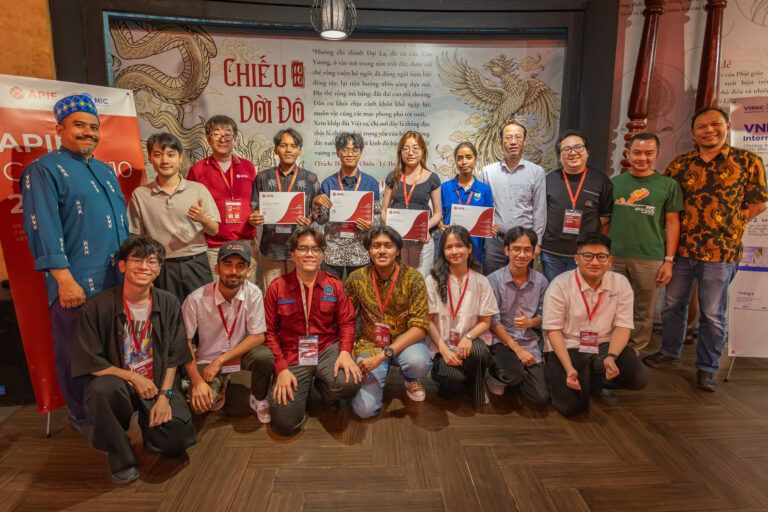
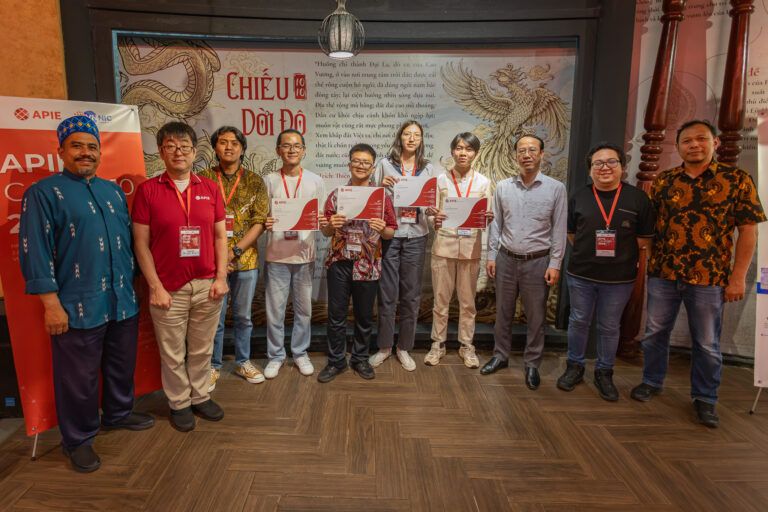
Beyond the technical knowledge gained throughout the camp, one of the most valuable experiences was the opportunity to work with participants from different countries and backgrounds. Collaborating in an international team provided a broader perspective on teamwork, communication, and knowledge sharing. For us, this opportunity to connect and learn alongside people from across the region was one of the most memorable aspects of APIE Camp #10.
APIE Camp #10 was more than a technical training program. Through hands-on activities covering network deployment, virtualization, security, DNS, IoT, and cloud computing, the camp provided practical exposure to technologies that form an important part of modern Internet infrastructure. At the same time, working alongside participants from different countries made the experience an opportunity to broaden our perspectives and build connections beyond the classroom. For us, APIE Camp #10 was a valuable experience that combined technical learning with international collaboration, leaving us with new knowledge, connections, and memories to bring back to Universitas Brawijaya.
Written by
Muhammad Hafizh Faiqunnabil
Signed on
2026-08-13